The real fear isn’t the price. It’s not knowing how the result might look.
Most people spend weeks researching before buying a car, remodeling their home, or making any major investment. They compare options, look for references, and want to feel confident before making a decision.
However, there are still dental treatments where patients are expected to commit to significant changes to their smile without having a clear visualization of the possible final result.
And that is where one of the biggest emotional barriers appears.
It’s not only about the money. A smile directly influences the way a person speaks, smiles, expresses themselves, and perceives themselves around others. That’s why one of the most common questions among people considering veneers or smile design is: “What if the result doesn’t look the way I expected?”
And that concern is completely understandable.
Nobody would build a house without seeing the blueprints first
Imagine hiring an architect to build a house and hearing: “Trust me, you’ll see how it turns out in the end.” Most people would probably hesitate before moving forward.
So why make permanent decisions about your smile without first visualizing how it could integrate with your face?
Modern cosmetic dentistry has evolved precisely to reduce that level of uncertainty. Today, digital tools and advanced planning processes allow dentists to design, preview, and refine a smile proposal before making permanent changes to the natural teeth.
That is exactly the purpose of the Smile Test Drive.
What is a Smile Test Drive, really?
The Smile Test Drive is a personalized planning experience that allows patients to visualize and preview a temporary version of their potential new smile before approving definitive treatment.
It’s not simply about showing photos or generic digital simulations. The process is designed to help patients understand how the smile design could integrate with their facial features, expression, and natural way of smiling.
Much more than a traditional consultation
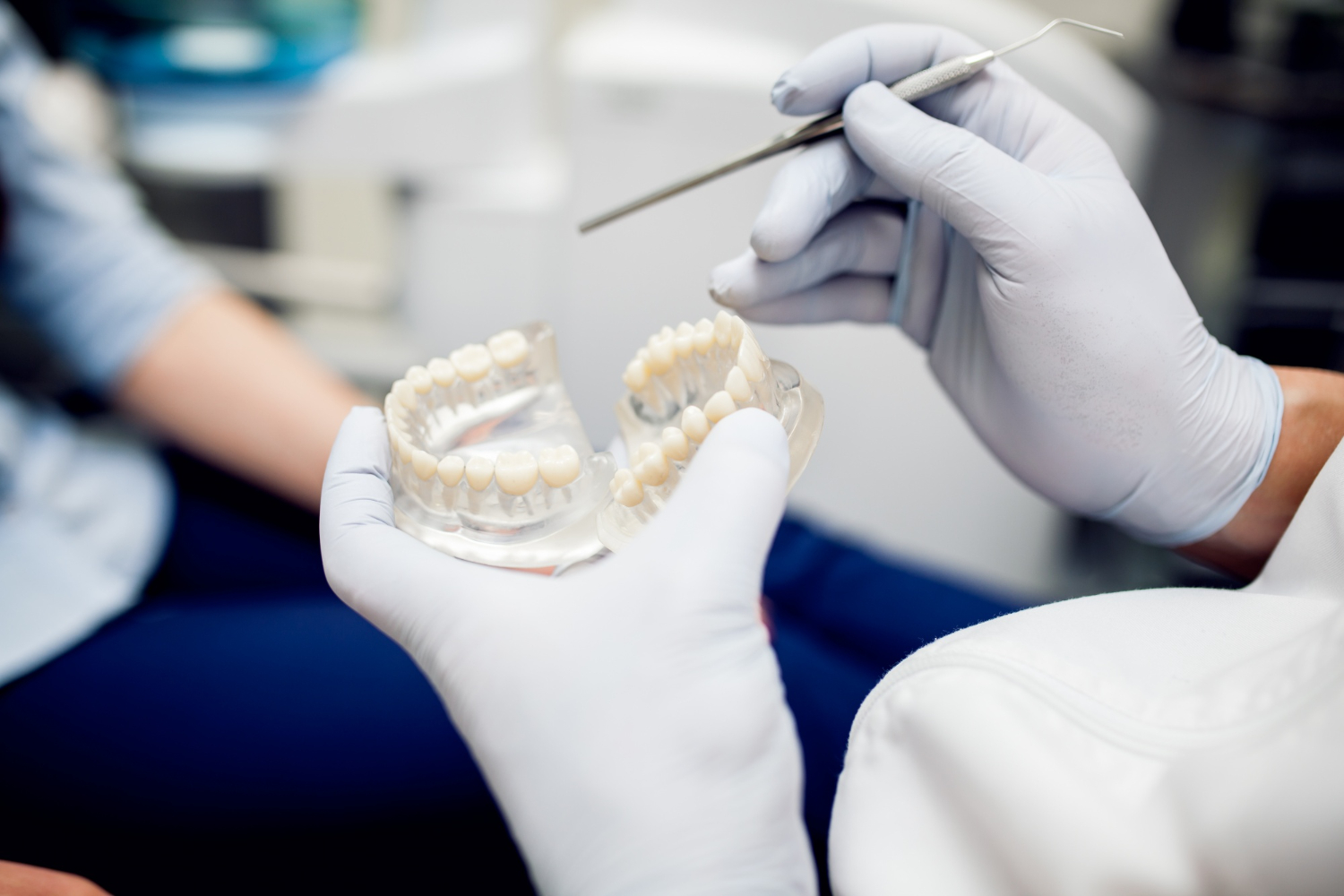
At Complete Dental Works, this process begins with a detailed analysis that includes personalized digital planning. Based on that information, a smile proposal is developed according to the patient’s facial proportions, functional needs, and aesthetic goals.
Afterward, a temporary mock-up may be created, allowing the patient to “test drive” the design directly in their mouth before any definitive procedure begins.
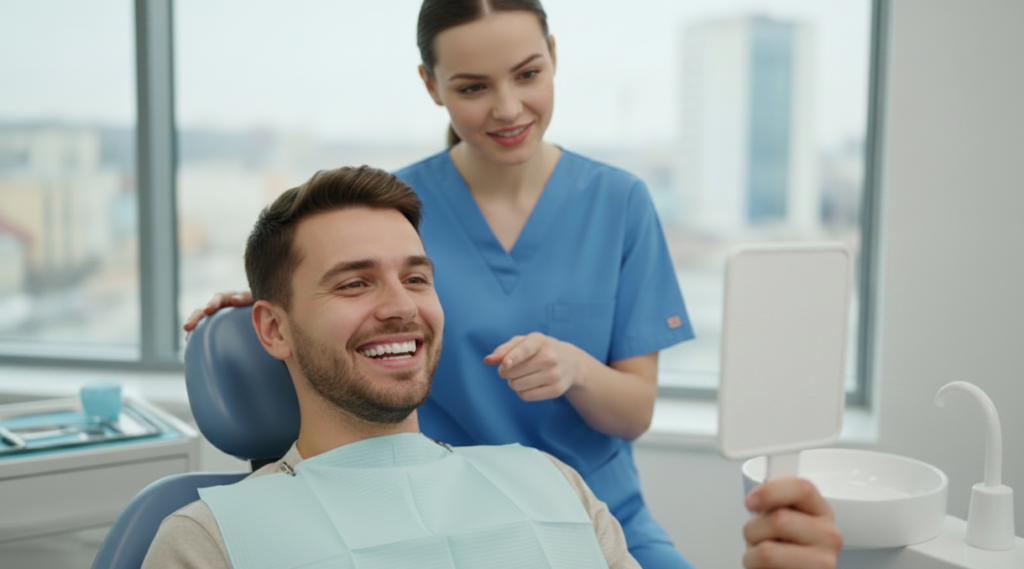
This allows patients to look at themselves in the mirror, speak, smile, take photos, and evaluate how they feel about the design before moving forward with treatment.
The difference between imagining a result and actually seeing it beforehand
One of the most common challenges in cosmetic dentistry happens when the idea of the result exists only in the patient’s imagination. In many cases, expectations change completely once patients see how the design truly integrates with their face.
That’s why mock-ups and smile visualization processes can significantly transform the patient experience.
When patients are able to visualize a smile proposal beforehand, they often make decisions with greater clarity and confidence. They can request adjustments, express preferences, and better understand how every detail influences the final outcome.
This creates a far more collaborative and intentional experience throughout the entire process.
The best smiles are rarely created through improvisation
A well-planned smile should never be based on copying someone else’s results. It should be based on developing a proposal that feels coherent with each individual face.
Factors such as facial proportions, lip movement, dental structure, personality, and overall harmony directly influence how the final result may be perceived.
For that reason, a design that looks visually attractive on someone else may not necessarily be the best option for another patient.
Today, one of the greatest differentiators in cosmetic dentistry is not simply having whiter teeth — it’s having access to planning processes that allow treatment to be personalized and visualized before it even begins.
Understanding the process more clearly can completely change the experience
When patients better understand what to expect throughout treatment, the experience often feels less uncertain and much more structured.
That is one of the reasons why advanced planning and pre-visualization processes have become increasingly important in high-value cosmetic treatments. Instead of relying only on abstract expectations, patients are able to actively participate in evaluating the smile design before making a final decision.
And that can create a much clearer and more confident experience during every stage of the process.
Because when someone is considering investing in their smile, what usually matters most is feeling clarity, participation, and confidence throughout the decision-making journey.