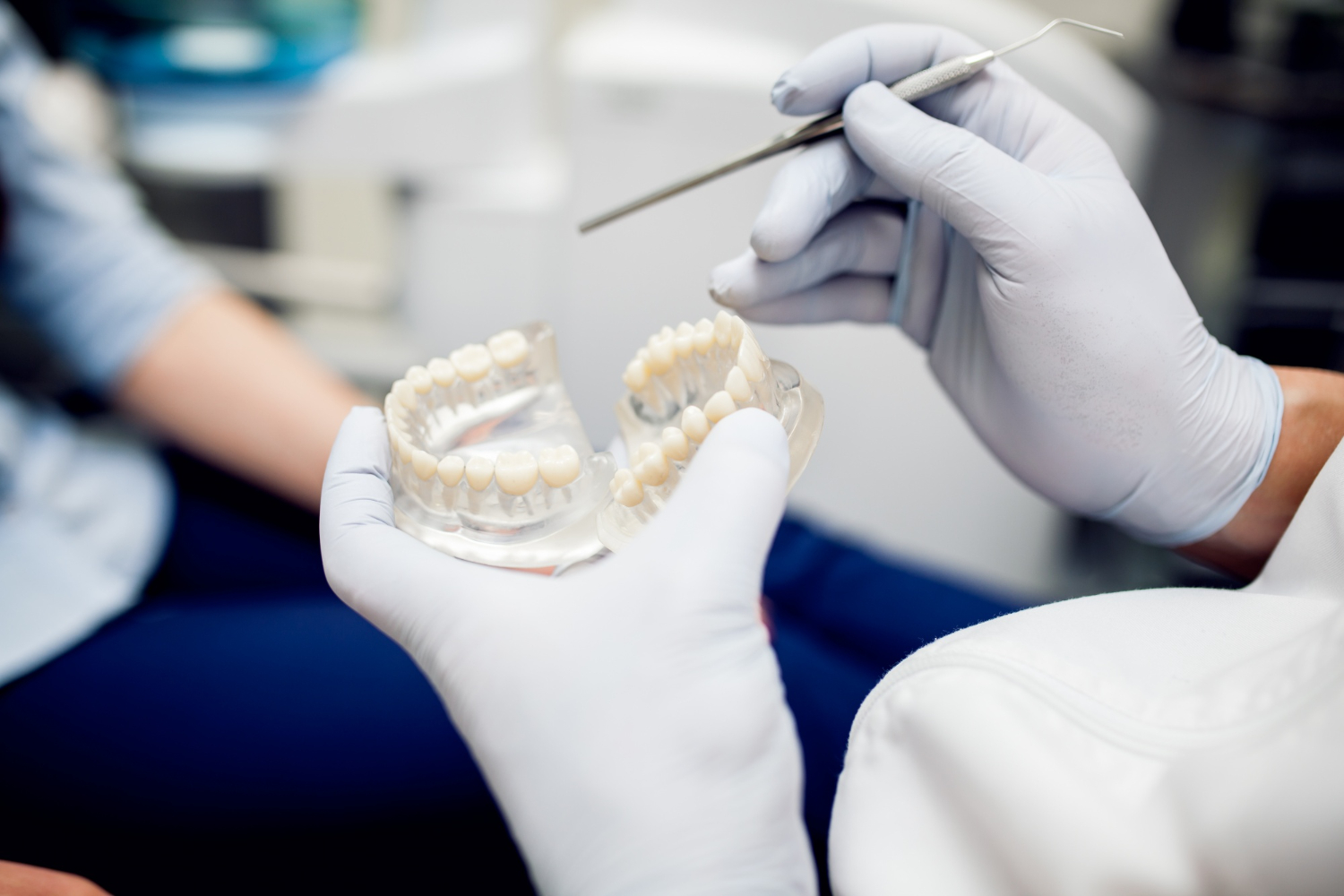
If you are wondering how to stop your teeth from falling out you are asking the right question at the right time. Most people think losing a tooth is the end of the problem. It is actually the beginning of one.
You wake up one day and something feels loose. Or maybe a tooth has been gone for a while and you told yourself you would deal with it eventually. The truth is that a missing tooth is not just a gap in your smile. It is the start of a process that quietly reshapes your jawbone, shifts your remaining teeth, and if left alone long enough, sets off a chain reaction that makes everything harder and more expensive to fix.
This guide covers exactly what is happening inside your mouth when you lose a tooth, why gum disease is behind most tooth loss and goes undetected for years, and what your real options are today whether you have insurance or not.

Why Teeth Fall Out in the First Place
Tooth loss rarely happens without warning. The problem is that the warning signs are almost always silent. Here is what is actually happening under the surface long before a tooth becomes loose or falls out.
Gum Disease: The Leading Cause Nobody Talks About
Gum disease, also called periodontal disease, is the number one cause of tooth loss in adults. It starts as gingivitis which is mild inflammation caused by plaque buildup along the gumline. At this stage there is no pain. Gums may bleed slightly when you brush and most people ignore it.
Left untreated, gingivitis progresses into periodontitis. The infection moves below the gumline and begins attacking the bone and connective tissue that hold teeth in place. By the time a tooth feels loose, significant bone loss has already occurred. That is why catching gum disease early is so much easier and less expensive than treating it late.
Gum disease has also been linked to heart disease, diabetes, stroke and premature birth. Your mouth is not separate from your body. What happens in your gums affects your whole system.
Bone Loss: The Hidden Problem
Your jawbone stays healthy because tooth roots stimulate it every time you bite and chew. Remove a tooth and that stimulation disappears. Within months the bone in that area begins to shrink. Within a year the loss is significant enough to affect adjacent teeth, change the shape of your face, and make future replacement more complicated.
This is why dentists say the worst thing you can do after losing a tooth is wait. Every month you wait, the bone shrinks further and the window for the simplest solutions closes a little more.
The silent warning signs most people miss: bleeding gums when brushing, gums that look like they are pulling away from teeth, persistent bad breath that does not go away with brushing, teeth that feel slightly different when you bite, and sensitivity that comes and goes without an obvious cause.
How to Stop Your Teeth From Falling Out: The Chain Reaction You Need to Know
Losing one tooth does not just create a gap. It puts every other tooth at risk. Here is the sequence that plays out when a missing tooth goes unaddressed.
Step 1: The gap appears.
A tooth is lost or extracted. The space looks minor at first. Nothing hurts and it feels manageable to deal with later.
Step 2: Bone loss begins.
Within weeks the jawbone in the empty space starts to resorb because there is no root to stimulate it. Noticeable shrinkage happens within 6 to 12 months. By the one year mark the change is significant.
Step 3: Adjacent teeth start shifting.
Teeth on either side of the gap lean inward to fill the space. The one above or below super-erupts because it no longer has anything to bite against. Over time alignment changes throughout the entire mouth.
Step 4: Bite pressure redistributes unevenly.
Remaining teeth absorb more force than they were designed for. Accelerated wear and new fractures follow. Sensitivity that was never there before starts showing up.
Step 5: More teeth become compromised.
Shifted and overloaded teeth become increasingly vulnerable. Gum disease spreads more easily in misaligned teeth because they are harder to clean. What started as one lost tooth becomes multiple teeth at risk.
Step 6: The face begins to change shape.
Bone and teeth disappearing together means the lower third of the face loses structural support. Cheeks look hollow and lips sink inward. Patients often say they look 10 to 15 years older than they feel.
Treating one missing tooth early is a simple, manageable procedure. Treating the consequences of leaving it alone for years is complex, time-consuming, and significantly more expensive. The chain reaction is not inevitable. It is preventable.
Your Real Options When a Tooth Is Missing
The good news is that options exist at every stage and every budget. Here is an honest look at what is available, what each one does for your bone and surrounding teeth, and who each option is right for.
Dental Implant
A titanium post placed directly into the jawbone replaces the root. Over time the bone fuses to the implant through a process called osseointegration. A crown is placed on top that looks and functions like a natural tooth. Implants stop bone loss immediately, do not affect adjacent teeth, and last decades with proper care. This is the gold standard for a reason.
Dental Bridge
A false tooth anchored to crowns placed on the two teeth on either side of the gap. A practical solution when bone loss is too advanced for an implant or when cost is a limiting factor. It restores appearance and function without surgery, though it does not stop bone loss in the gap and requires the adjacent teeth to be filed down.
Partial Denture
A removable appliance that replaces one or more missing teeth. Best suited for patients with multiple gaps or when other options are not available. More affordable upfront but does not prevent bone loss and requires removal for cleaning.
Bone Grafting
When significant bone loss has already occurred a graft rebuilds the jawbone to a level that can support an implant. Often done before or at the same time as implant placement. It makes implants possible again and restores facial structure. The results long term are excellent.
How to Stop Your Teeth From Falling Out Before It Starts
The steps that make the biggest difference are straightforward and most of them cost nothing. The challenge is consistency.
Treat Gum Disease as Early as Possible
If your gums bleed when you brush or floss that is your body signaling that something is wrong. Do not wait until it stops hurting because with gum disease the absence of pain is not a sign that things are fine. A professional deep cleaning called scaling and root planing can halt gum disease at the earlier stages. Caught in time it does not need to lead to tooth loss at all.
Come In Every 6 Months Without Fail
Consistent preventive care is how small problems stay small. A routine cleaning removes the tartar buildup that causes gum disease and gives your dentist a chance to catch anything that needs attention before it becomes serious.
Replace a Missing Tooth Sooner Rather Than Later
If a tooth is already gone the most important thing you can do is replace it before bone loss progresses and shifts everything else. The longer you wait the more limited your options become and the more expensive treatment gets.
Floss Every Night Without Exception
Brushing cleans about 60% of the tooth surface. Flossing reaches the 40% that lives between teeth where most gum disease starts. One minute of flossing every night before bed is one of the highest-return habits in dentistry and it costs almost nothing.
No Insurance Is Not a Reason to Skip Care
Our membership plan at Complete Dental Works covers two cleanings and exams per year, X-rays, and fluoride at a predictable monthly cost. Preventive care is always less expensive than restorative treatment.
What to Expect at a Consultation at Complete Dental Works
If you are reading this because you have a loose tooth, a gap, or bleeding gums that have been bothering you here is exactly what to expect when you come in.
What Happens During Your Visit
We take a full set of X-rays and digital scans to see what is happening with your bone levels and your surrounding teeth. We walk you through what we find in plain language with no pressure and no surprises. If treatment is needed we give you a clear picture of your options with honest information about what each one involves, what it costs, and what financing is available.
Most patients leave the consultation saying they wish they had come in sooner. Not because anything was worse than they feared but because knowing exactly where they stand takes away the anxiety of not knowing.
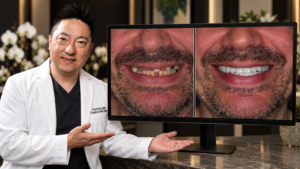
The Bottom Line on How to Stop Your Teeth From Falling Out
Tooth loss is almost never sudden. It is the end result of a process that started years earlier with gum disease, bone loss, and small problems that went untreated. The earlier you address any part of that process the simpler and more affordable the solution becomes.
A missing tooth means bone loss has already started. Gums that bleed when you brush are a sign that gum disease has already begun. Either way now is the right time to come in.
At Complete Dental Works in West New York NJ we see patients at every stage and every starting point. We work with insurance and without it. We answer every question honestly. And we have never once judged a patient for how long it has been since their last visit.
The hardest part is making the call. Everything after that is easier than you think.
Questions? Call or text us at +1 201 584 5708, reply to any of our emails, or book directly at completedentalworks.com. We are always happy to help.